


In Chinese collecting shorthand, 大四 (“Big Four”) refers to the four highest-value fourth-series banknotes: the 1980 and 1990 editions of ¥50 and ¥100 — 8050, 80100, 9050 and 90100. Together they anchor the “large set” (大全套) and dominate secondary-market prices for the series.
What “Big Four” means
Chinese collectors use 大四 to describe the four highest fourth-series denominations: 8050 (P888a), 80100 (P889a), 9050 (P888b) and 90100 (P889b). All were issued by the People’s Bank of China between 1987 and 1992 and together account for most of the market value in a complete fourth-series collection.
8050 and 80100 — nicknamed the “king” and “queen” of the series — were printed in smaller quantities and heavily used before 2018 withdrawal. The 1990-dated 9050 and 90100 revisions added security threads and larger print runs, making high-grade examples easier to source for display sets.
The four notes at a glance
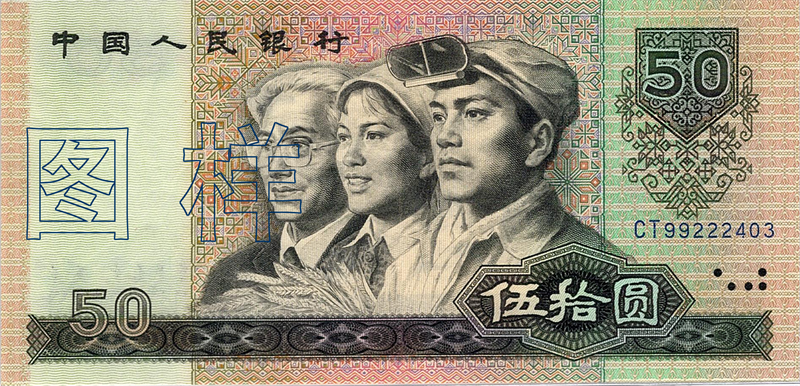
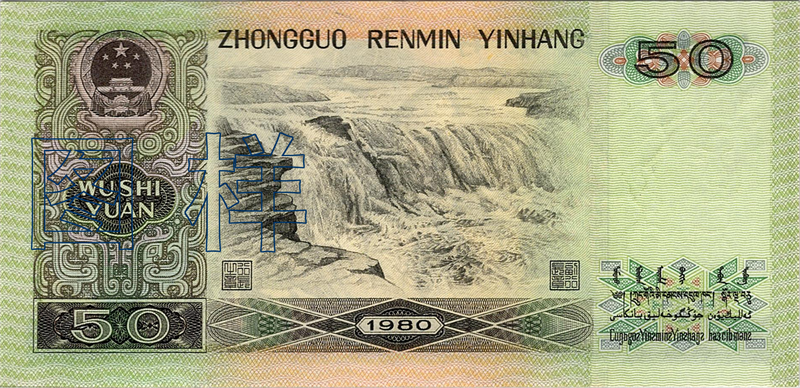
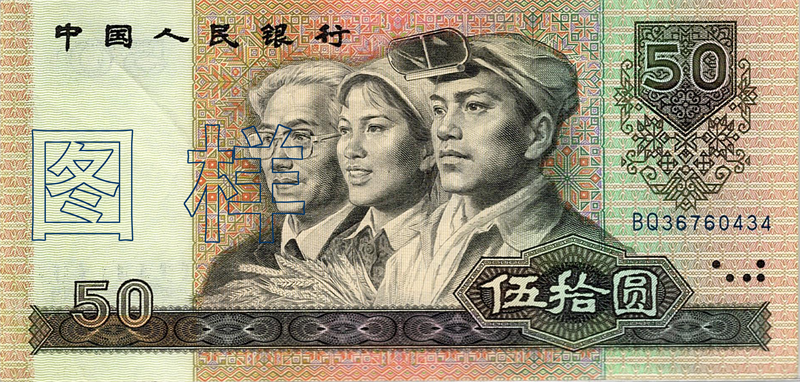
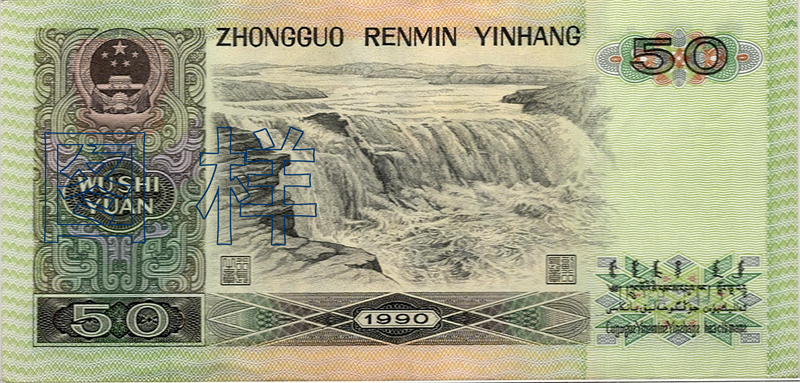
- 8050 (1987 issue): ¥50 dated 1980 — worker, farmer and intellectual; Hukou Waterfall reverse. Scarcest in high grade.
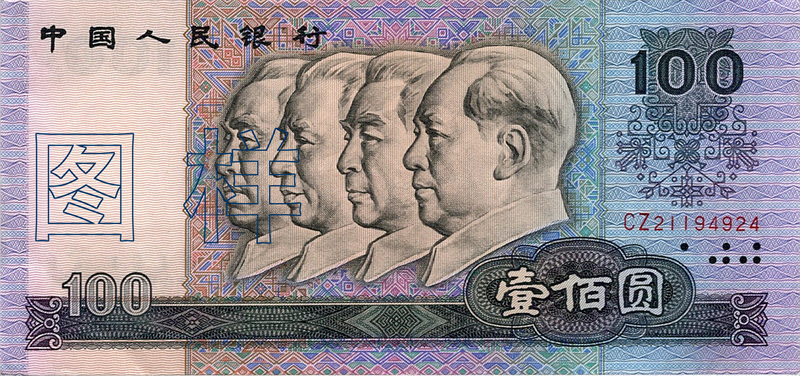
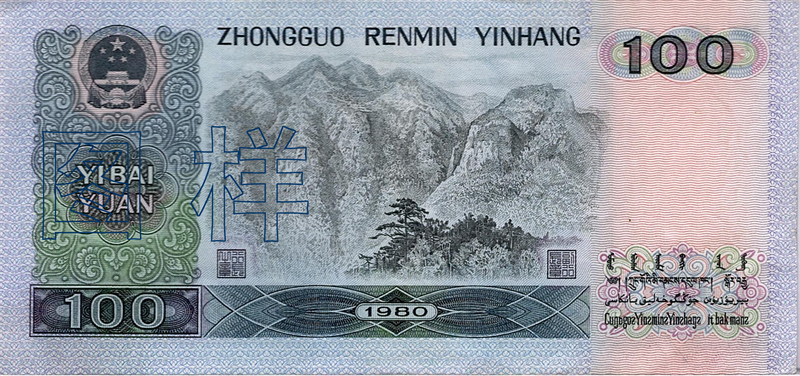
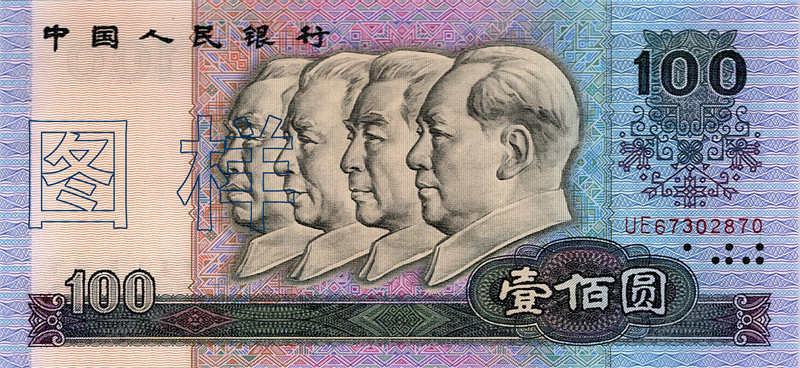
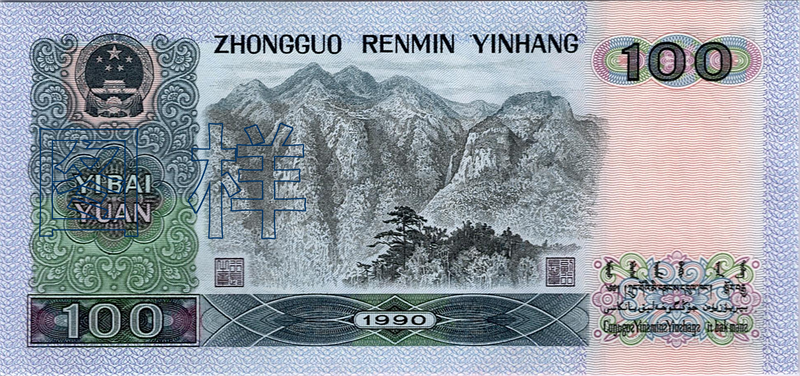
- 80100 (1988 issue): ¥100 dated 1980 — four leaders obverse, Jinggang Mountains reverse. Only 16 standard prefixes.
- 9050 & 90100 (1992 issue): 1990-dated revisions with security threads and UV printing; larger print runs than their 1980 counterparts.
Photos of the Big Four
Sets, variants and buying advice
A full fourth-series set contains 14 paper varieties; the “small set” omits the Big Four plus several early ¥1/¥2 editions. Some 8050 notes were cut from four-in-one sheets (EE/BJ prefixes) — purists prefer original-issue singles. When assembling 大四, match grade across all four notes for display, and verify 8050/80100 dates and security features carefully.